

Strategy Guide
29 Strategic Tips to Improve Your Performance in a Trick-Taking Card Game
Card games are often associated with luck, chance, and casual entertainment. However, not every card-based activity depends primarily on random outcomes. Some require careful planning, logical reasoning, communication, and the ability to anticipate an opponent's decisions.
One example is the traditional 29-point card game. Although its rules may appear relatively straightforward, achieving consistent success requires a combination of tactical awareness, mathematical thinking, and cooperation between teammates.
The game is especially familiar to communities across South Asia, including Bangladesh, Nepal, and parts of India. It has remained a popular social activity for generations, bringing together friends and family members through friendly competition.
Unlike games where individual performance determines the outcome, this format emphasizes partnership. Players must understand the value of their own cards while making educated assumptions about the cards held by their teammates and opponents.
Below are 29 practical recommendations that can help players develop a better understanding of the game and make more informed decisions.
Tips 1–3
Understanding the Fundamentals
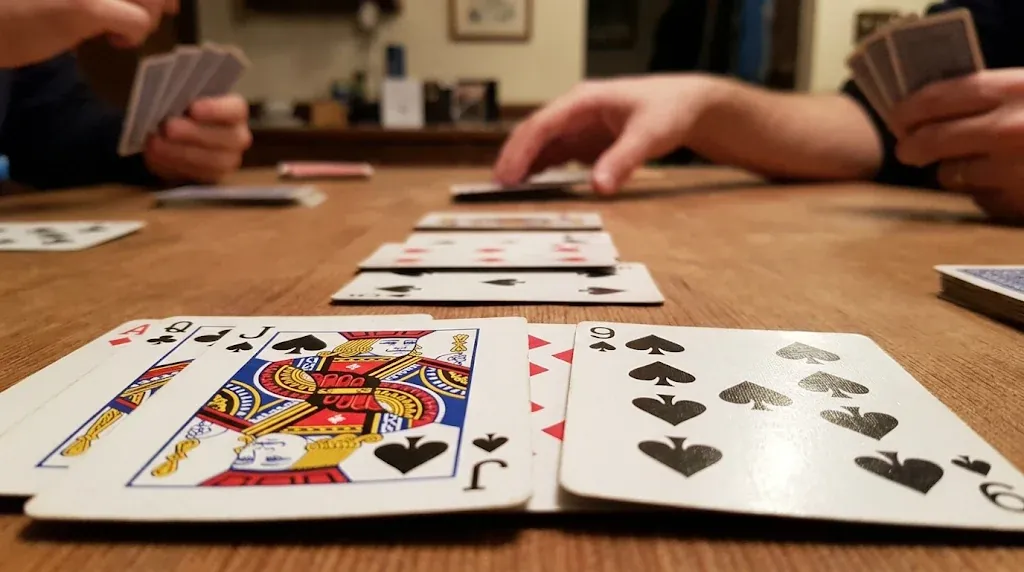
Before focusing on advanced tactics, it is important to understand the basic mechanics. Successful players pay attention to every card that enters play and continuously evaluate how the remaining cards may influence upcoming rounds.
-
01
Remember which important cards have already appeared
Keep track of cards with high scoring potential. Knowing which valuable cards have been played helps you estimate the strength of the remaining hands.
-
02
Learn the unusual card hierarchy
The ranking system differs from many conventional card games. The order from strongest to weakest is:
- J
- 9
- A
- 10
- K
- Q
- 8
- 7
Memorizing this sequence is essential because a card's numerical value does not necessarily determine its ability to win a trick.
-
03
Pay particular attention to scoring cards
The most important cards to monitor are Jacks, Nines, Aces, and Tens. Their distribution can significantly influence the final result, so knowing which ones remain is a major advantage.
Tips 4–12
Deception and Tactical Decision-Making
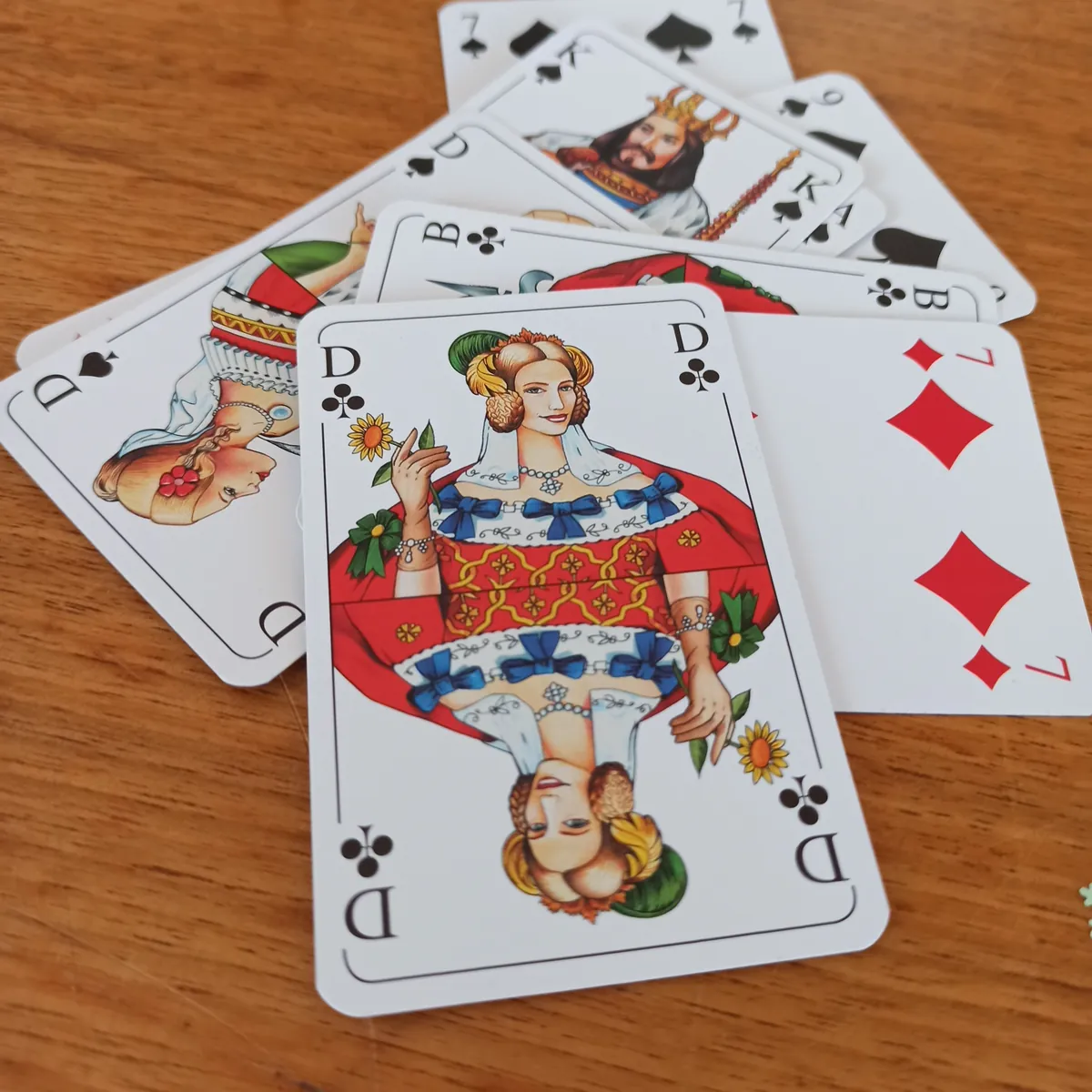
A strong player does not always reveal the full strength of their hand. Sometimes, controlling the information available to opponents is just as important as having powerful cards.
-
04
Avoid making your strategy too predictable
Repeating the same playing pattern can reveal information about your hand. For example, consistently winning tricks with cards from one suit may encourage opponents to identify your potential trump strategy.
-
05
Sacrifice small advantages to secure more valuable cards
There are situations when losing a trick containing an Ace or Ten can help you capture a Jack or Nine later. Playing a lower-value card may also create a misleading impression that your hand is weaker than it actually is.
Use this approach carefully, considering the cards already played and the potential consequences for your team.
-
06
Choose your trump suit based on the composition of your hand
Having several cards from the same suit can make that suit a suitable trump option. A stronger concentration of one suit may provide more opportunities to control future tricks.
-
07
Be cautious when your cards are evenly distributed
If you hold only one card from each suit, selecting a trump can become more difficult. Such a hand offers less control over individual suits, so avoid making aggressive bids without considering the overall card strength.
-
08
Analyze the bidding decisions of your opponents
When another team wins the bidding stage, consider which suit they might select as trump. They may prefer a suit in which they hold several cards, giving them more opportunities to use trump strategically.
-
09
Think carefully before exposing valuable cards
Playing strong cards early can sometimes prevent opponents from using trump to capture them later. However, the timing should depend on the current trick, the trump situation, and your partner's position.
-
10
Avoid leading with a Nine without considering the possible response
Since a Jack outranks a Nine, an opponent holding the stronger card from the same suit may take the trick. Evaluate the likelihood of this situation before choosing your opening move.
-
11
Try to establish control over ordinary suits early
When your team has the advantage, removing cards from non-trump suits can create opportunities to use trump cards against valuable cards in later rounds.
-
12
Use trump strategically when you cannot follow the leading suit
If you no longer have cards matching the suit played, using a trump card can help you take control of the trick. However, consider whether your partner is already in a winning position before making this decision.
Tips 13–20
Partnership, Communication, and Reading Opponents

The game is played in teams, meaning that individual decisions should support the overall objective. Since players cannot directly see their partner's cards, they must interpret their teammate's actions and recognize patterns throughout the match.
-
13
Pay attention to your partner's bidding behavior
If your teammate makes a stronger bid than you, consider supporting their decision rather than unnecessarily increasing the bidding level. Their actions may indicate confidence in a particular suit or a strong combination of cards.
-
14
Use winning opportunities to get rid of unnecessary cards
When your partner is already positioned to win a trick, consider discarding valuable cards from other suits if you cannot follow the leading suit. This can reduce the number of potentially dangerous cards remaining in your hand.
-
15
Avoid taking control away from your teammate unnecessarily
If your partner is currently winning a trick, revealing a trump card may waste an opportunity. Consider playing a different high-value card when doing so supports the team's overall position.
-
16
Adjust your response when your partner has already revealed trump
If your teammate has used a trump card and you cannot follow the original suit, evaluate whether another trump is necessary. In many situations, preserving stronger cards for future tricks is more beneficial.
-
17
Do not waste your strongest trump card when a weaker one is already winning
When your partner has secured a trick using a relatively low trump card, avoid automatically playing a stronger trump. Saving that card may help your team capture a more valuable trick later.
-
18
Observe how opponents manage their trump cards
Players may deliberately preserve their strongest cards for important moments toward the end of the game. Pay attention to their decisions and consider what they might still be holding.
-
19
Respond decisively when an opponent reveals trump
If you cannot follow the leading suit and an opponent uses trump, consider whether playing a stronger trump would allow you to take control of the trick. Make this decision according to its scoring value and your partner's position.
-
20
Preserve trump cards when a trick has little scoring value
Not every round deserves your strongest card. If the current trick contains no valuable scoring cards, consider saving trump for a more important opportunity.
Tips 21–22
Making the Most of Every Point
Small decisions can have a significant influence on the final result. Experienced players understand that timing is essential and that the final stages of a game can be particularly important.
-
21
Pay special attention to the final trick
Many players preserve their strongest cards until the end. For this reason, the final rounds can create unexpected opportunities to capture valuable points.
-
22
Understand the scoring rules of your particular variation
Some versions of the game award an additional point for winning the final trick. Make sure you know whether this rule applies before developing your strategy.
Tips 23–24
Alternative Approaches to Bidding
Different teams may experiment with their bidding decisions depending on their playing style and the rules being used.
-
23
Consider a conservative bidding strategy
Some teams prefer to avoid making bids when they do not have a sufficiently strong hand. Depending on the scoring system, this approach may allow them to benefit when the opposing team fails to complete its declared objective.
-
24
Explore a more aggressive bidding approach
Other players prefer to participate actively in bidding and attempt to control the game from the beginning. This strategy can be effective when supported by strong cards and good coordination, but aggressive decisions also carry greater risks.
Tips 25–29
Additional Reminders for Better Performance

Technical knowledge is important, but maintaining concentration and enjoying the experience are equally valuable.
-
25
Keep your opponents guessing
Avoid repeating identical patterns. Changing your approach when appropriate can make it more difficult for other players to understand your strategy.
-
26
Stay positive and maintain confidence
A calm attitude helps you make better decisions, particularly when a match does not develop according to your expectations.
-
27
Make the experience enjoyable for everyone
Friendly competition is more rewarding when all participants respect the rules and maintain a positive atmosphere. A little humor and good company can make even a difficult match memorable.
-
28
Visualize possible outcomes before making a move
Consider several possible responses from your opponents instead of focusing exclusively on your immediate decision. Thinking one or two tricks ahead can help you avoid unnecessary mistakes.
Tip 29
Remember the importance of MIND
The most useful combination of qualities includes:
-
Memory
Remember previously played cards.
-
Intelligence
Evaluate situations and choose appropriate tactics.
-
Negotiation
Understand bidding dynamics and coordinate decisions with your partner.
-
Discipline
Stay focused and avoid impulsive moves.
Conclusion
Final Thoughts
Becoming a better player requires more than memorizing card rankings or learning a few tricks. Consistent improvement comes from observing opponents, understanding probabilities, managing valuable cards, and making decisions that benefit the entire team.
The 29-point card game offers an excellent opportunity to practice strategic thinking, concentration, patience, and cooperation. Every match presents a different combination of cards and decisions, which means that no single strategy will guarantee success.
The most experienced players understand that flexibility is essential. They learn from previous rounds, adapt to changing circumstances, and recognize when taking a calculated risk is worthwhile.
Ultimately, the goal is not simply to win every round but to understand the game more deeply, develop better decision-making skills, and enjoy the experience with other players.